Author name: admin

Uncategorized

Private Label Palm Cooking Oil: Launch Your Brand

Private label palm cooking oil enables entrepreneurs and retailers to sell premium cooking oil under their own brand without manufacturing facilities. This comprehensive guide explains how to launch a successful private label cooking oil business.

What is Private Label Palm Cooking Oil?

Private label (also called white label) allows you to sell cooking oil manufactured by an established producer under your brand name. The manufacturer handles production, quality control, and packaging while you focus on branding, marketing, and sales.

Benefits of Private Label

  • Low Startup Costs: No need to build production facilities
  • Fast Market Entry: Launch in weeks, not years
  • Quality Assurance: Leverage manufacturer’s expertise and certifications
  • Scalability: Start small and grow without capacity constraints
  • Brand Ownership: Build equity in your own brand
  • Higher Margins: Better profitability than reselling established brands

Private Label vs OEM: Understanding the Difference

While often used interchangeably, there are subtle differences:

Private Label:

  • Manufacturer offers standard formulations
  • You add your branding to existing products
  • Lower minimum order quantities
  • Faster turnaround time
  • Less customization

OEM (Original Equipment Manufacturer):

  • Custom formulation development
  • Unique product specifications
  • Higher minimum order quantities
  • Longer development time
  • Complete customization

Most cooking oil businesses start with private label and move to OEM as volumes grow.

Steps to Launch Private Label Palm Cooking Oil

Step 1: Market Research

Identify Your Target Market:

  • Geographic region and demographics
  • Consumer preferences (organic, premium, economy)
  • Competitive landscape
  • Price sensitivity
  • Distribution channels

Analyze Competition:

  • Existing brands and market share
  • Pricing strategies
  • Packaging and positioning
  • Strengths and weaknesses
  • Market gaps and opportunities

Step 2: Select Your Product

Palm Oil Grade:

  • CP6 for premium positioning
  • CP8 for mainstream market
  • CP10 for economy segment

Packaging Options:

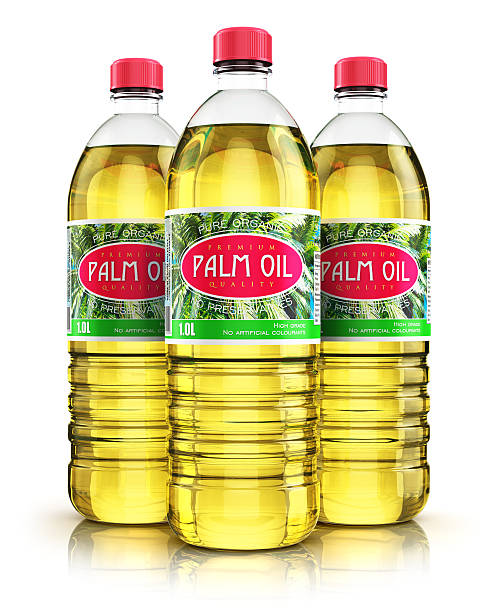
  • 250ml, 500ml, 1L, 2L, 5L PET bottles
  • 10L, 20L, 25L jerry cans for bulk
  • Glass bottles for premium segment
  • Flexible pouches for convenience

Additional Options:

  • Fortification (Vitamin A, D, E)
  • Organic certification
  • Specialty blends
  • Flavored variants

Step 3: Develop Your Brand

Brand Name:

  • Memorable and easy to pronounce
  • Relevant to cooking oil or quality
  • Available as trademark and domain name
  • Culturally appropriate for target market

Brand Identity:

  • Logo design and visual style
  • Color scheme and typography
  • Brand story and values
  • Positioning statement

Packaging Design:

  • Eye-catching label design
  • Clear product information
  • Nutritional facts and ingredients
  • Regulatory compliance
  • Brand differentiation elements

Step 4: Find a Reliable Manufacturer

Evaluation Criteria:

  • Experience: Years in private label business
  • Certifications: ISO, HACCP, Halal, RSPO, ISPO
  • Production Capacity: Can meet your volume needs
  • Minimum Order Quantity: Aligned with your budget
  • Lead Time: Production and shipping timeline
  • Quality Control: Testing and inspection procedures
  • References: Existing private label clients
  • Communication: Responsive and professional

Request Samples:

Always test product samples before committing to large orders. Evaluate:

  • Oil clarity and color
  • Taste and odor
  • Cooking performance
  • Packaging quality
  • Label printing quality

Step 5: Understand Costs and Pricing

Cost Components:

  • Product Cost: Palm oil, refining, packaging
  • Branding: Label design and printing
  • Shipping: International freight and local delivery
  • Import Duties: Customs fees and taxes
  • Marketing: Launch campaign and ongoing promotion
  • Distribution: Logistics and warehousing

Pricing Strategy:

  • Calculate total landed cost
  • Add desired profit margin (25-40% typical)
  • Consider retailer margins (15-30%)
  • Compare with competitor pricing
  • Test price sensitivity with focus groups

Step 6: Legal and Regulatory Compliance

Business Registration:

  • Register business entity
  • Obtain tax identification numbers
  • Apply for import/export licenses if needed

Food Safety Compliance:

  • Register with local food safety authority
  • Ensure labeling meets regulations
  • Maintain product liability insurance
  • Keep quality and safety documentation

Trademark Protection:

  • Register brand name and logo
  • Protect intellectual property
  • Verify no trademark conflicts

Step 7: Place Your First Order

Typical Minimum Order Quantities:

  • 1 container (20ft): ~20,000 liters
  • Mixed sizes possible in one container
  • Some manufacturers offer smaller test orders

Production Timeline:

  • Label design approval: 1-2 weeks
  • Production: 2-3 weeks
  • Shipping: 2-4 weeks (depending on destination)
  • Total: 5-9 weeks from order to delivery

Payment Terms:

  • 30% deposit, 70% before shipment (common)
  • Letter of Credit for larger orders
  • 100% advance for first-time buyers (sometimes)

Step 8: Distribution and Sales

Distribution Channels:

  • Retail: Supermarkets, grocery stores, convenience stores
  • Food Service: Restaurants, hotels, catering companies
  • E-Commerce: Your website, Amazon, online marketplaces
  • Wholesale: Distributors and wholesalers
  • Direct Sales: Farmers markets, pop-up stores

Sales Strategy:

  • Start with independent retailers for easier entry
  • Build track record before approaching chains
  • Offer introductory promotions and sampling
  • Provide point-of-sale materials
  • Maintain competitive pricing

Step 9: Marketing and Promotion

Digital Marketing:

  • Professional website with e-commerce
  • Social media presence (Instagram, Facebook, TikTok)
  • Content marketing (recipes, cooking tips)
  • Email marketing to customers
  • Online advertising (Google Ads, social media ads)
  • Influencer partnerships

Traditional Marketing:

  • In-store demonstrations and sampling
  • Print advertising in relevant publications
  • Sponsorship of food events
  • Trade show participation
  • Public relations and media outreach

Brand Building:

  • Consistent brand messaging
  • Quality emphasis and testimonials
  • Sustainability story (RSPO/ISPO certification)
  • Customer engagement and loyalty programs

Step 10: Scale and Grow

Growth Strategies:

  • Expand to new geographic markets
  • Add product variants (sizes, fortification)
  • Develop complementary products
  • Build brand recognition and loyalty
  • Negotiate better terms with increased volumes
  • Consider transitioning to OEM for customization

Common Challenges and Solutions

Challenge: High Minimum Order Quantities

Solution: Partner with other entrepreneurs to share container costs, or find manufacturers offering smaller MOQs for new brands.

Challenge: Cash Flow Management

Solution: Secure pre-orders or distributor commitments before placing manufacturing orders. Consider invoice financing or business loans.

Challenge: Retail Shelf Space

Solution: Start with independent retailers and online sales. Build sales history and brand recognition before approaching major chains.

Challenge: Brand Differentiation

Solution: Focus on unique positioning (sustainability, local sourcing, premium quality, health benefits) rather than competing solely on price.

Success Stories

Many successful cooking oil brands started as private label operations:

  • Built strong regional presence before expanding nationally
  • Focused on specific market segments (organic, premium, ethnic)
  • Leveraged e-commerce for direct-to-consumer sales
  • Partnered with food service for bulk volume
  • Transitioned to OEM for unique formulations as they grew

Financial Projections

Startup Investment (Private Label):

  • Brand development: $5,000-10,000
  • First production run (1 container): $25,000-35,000
  • Marketing and launch: $10,000-20,000
  • Working capital: $15,000-30,000
  • Total: $55,000-95,000

Revenue Potential:

  • Year 1: $200,000-500,000
  • Year 2: $500,000-1,000,000
  • Year 3: $1,000,000-2,000,000
  • Gross margins: 30-45%

Why Choose CV Indolein Perkasa for Private Label?

We specialize in helping entrepreneurs launch successful private label cooking oil brands:

Our Services:

  • Flexible MOQs for new brands
  • Multiple palm oil grades (CP6, CP8, CP10)
  • Various packaging options and sizes
  • Professional label design support
  • Quality certifications (RSPO, ISPO, Halal)
  • Fast production and reliable delivery
  • Complete export documentation
  • Ongoing technical support

Why Partner With Us:

  • 20+ years of experience in palm oil industry
  • Proven track record with private label clients
  • Modern production facilities
  • Consistent quality and supply
  • Competitive pricing
  • Responsive customer service

Start Your Private Label Brand Today

Ready to launch your own cooking oil brand? CV Indolein Perkasa makes it easy with comprehensive private label services, from product selection to packaging and export.

Contact us now for a free consultation, product samples, and customized quotation for your private label palm cooking oil project. Let’s build your brand together!

Uncategorized

Palm Oil Grades Explained: CP6, CP8, CP10 Differences

Palm oil grades (CP6, CP8, CP10) indicate color and quality levels of refined palm olein. Understanding these classifications helps buyers select the right product for their needs and budget. This guide explains the differences and applications of each grade.

What Do Palm Oil Grades Mean?

The “CP” designation stands for “Color Palm” and the number refers to the maximum red color value measured using the Lovibond color scale. Lower numbers indicate lighter color and generally higher quality.

Grading System

  • CP6: Maximum 3.0 Red Lovibond (premium grade)
  • CP8: Maximum 3.5 Red Lovibond (standard grade)
  • CP10: Maximum 4.0 Red Lovibond (economy grade)

All grades must meet minimum quality standards for free fatty acids, moisture, and peroxide value regardless of color.

CP6 Palm Olein – Premium Grade

Specifications

  • Color (Lovibond): 3.0R maximum
  • Free Fatty Acid: 0.05% maximum
  • Moisture & Impurities: 0.05% maximum
  • Peroxide Value: 1.0 meq/kg maximum
  • Iodine Value: 56-58
  • Slip Melting Point: 22°C maximum

Characteristics

CP6 is the lightest and clearest palm olein grade. It has excellent clarity, minimal color, and the longest shelf life. The superior quality results from careful refining and bleaching processes.

Applications

  • Premium Retail Brands: High-end cooking oil products
  • Clear Bottle Packaging: Showcases product clarity
  • Food Manufacturing: Products where color matters (light-colored baked goods, sauces)
  • Export Markets: Countries with strict quality requirements
  • Blending: Premium oil blends

Price Premium

CP6 typically commands a 2-5% price premium over CP10 due to additional processing and lower yield from crude palm oil.

CP8 Palm Olein – Standard Grade

Specifications

  • Color (Lovibond): 3.5R maximum
  • Free Fatty Acid: 0.1% maximum
  • Moisture & Impurities: 0.1% maximum
  • Peroxide Value: 2.0 meq/kg maximum
  • Iodine Value: 54-56
  • Slip Melting Point: 24°C maximum

Characteristics

CP8 represents the most common palm olein grade, offering excellent balance between quality and cost. It has light golden color and good stability for most applications.

Applications

  • Mainstream Retail: Most commercial cooking oil brands
  • Food Service: Restaurants, hotels, catering
  • Industrial Frying: Snack food production, commercial kitchens
  • General Cooking: Home cooking, stir-frying, deep frying
  • Export Markets: Standard grade for most countries

Value Proposition

CP8 offers the best value for money, meeting quality requirements for most applications without the premium cost of CP6.

CP10 Palm Olein – Economy Grade

Specifications

  • Color (Lovibond): 4.0R maximum
  • Free Fatty Acid: 0.1% maximum
  • Moisture & Impurities: 0.1% maximum
  • Peroxide Value: 2.0 meq/kg maximum
  • Iodine Value: 52-54
  • Slip Melting Point: 24°C maximum

Characteristics

CP10 has slightly darker golden color but maintains all essential quality parameters. The darker color doesn’t affect cooking performance or safety.

Applications

  • Economy Retail Brands: Budget-friendly cooking oil
  • Bulk Food Service: Large-scale institutional cooking
  • Industrial Processing: Where color is less critical
  • Colored Bottle Packaging: Masks natural oil color
  • Price-Sensitive Markets: Developing countries, bulk sales

Cost Advantage

CP10 is the most economical grade, ideal for buyers prioritizing cost over appearance while maintaining quality standards.

Quality Parameters Common to All Grades

Free Fatty Acid (FFA)

All grades must maintain low FFA levels (0.05-0.1%) to ensure freshness and stability. High FFA indicates oil degradation.

Moisture and Impurities (M&I)

Maximum 0.1% ensures purity and prevents microbial growth. Proper refining removes water and solid particles.

Peroxide Value (PV)

Low peroxide value (1.0-2.0 meq/kg) indicates minimal oxidation and good shelf life. This parameter is critical for quality.

Iodine Value (IV)

Indicates degree of unsaturation. Palm olein typically ranges from 52-58, with higher values indicating more liquid properties.

Factors Affecting Grade Selection

Packaging Type

  • Clear PET Bottles: CP6 or CP8 recommended for visual appeal
  • Colored/Opaque Bottles: CP10 acceptable, color not visible
  • Jerry Cans/Bulk: Any grade suitable for food service

Target Market

  • Premium Segment: CP6 for quality-conscious consumers
  • Mass Market: CP8 for mainstream appeal
  • Economy Segment: CP10 for price-sensitive buyers

Application Requirements

  • Light-Colored Products: CP6 preferred
  • General Cooking: CP8 or CP10 suitable
  • Industrial Frying: Any grade acceptable

Budget Constraints

Price difference between grades is typically 2-5%. Consider whether the premium for lighter color justifies the cost for your market.

Quality Testing and Verification

Laboratory Analysis

Reputable suppliers provide certificates of analysis (COA) for each batch, documenting:

  • Color measurement (Lovibond method)
  • Free fatty acid percentage
  • Moisture and impurities
  • Peroxide value
  • Iodine value
  • Slip melting point

Visual Inspection

While laboratory testing is definitive, visual inspection can provide quick quality assessment:

  • Clarity: Should be clear, not cloudy
  • Color: Light to golden yellow (varies by grade)
  • Odor: Neutral, no rancid smell
  • Consistency: Liquid at room temperature (tropical climate)

Storage and Shelf Life

All palm olein grades have similar storage requirements:

  • Temperature: Store in cool, dry place (below 30°C preferred)
  • Light Protection: Keep away from direct sunlight
  • Container: Use food-grade, airtight containers
  • Shelf Life: 18-24 months when properly stored

CP6 may have slightly longer shelf life due to lower initial oxidation, but all grades remain stable for 18+ months with proper storage.

Pricing Considerations

Typical Price Differences

Based on current market conditions (prices vary with crude palm oil):

  • CP6: Baseline + $20-40 per MT
  • CP8: Baseline + $10-20 per MT
  • CP10: Baseline price

Volume Discounts

Larger orders (multiple containers) typically receive better pricing regardless of grade. Discuss volume commitments with suppliers for optimal rates.

Making the Right Choice

Select palm olein grade based on:

  1. Target Market Expectations: What do your customers expect?
  2. Packaging Strategy: Will color be visible?
  3. Price Positioning: Premium, mainstream, or economy?
  4. Application Requirements: Does color affect final product?
  5. Budget: Is the premium for lighter color justified?

For most applications, CP8 offers the best balance of quality and value. CP6 is ideal for premium positioning, while CP10 serves price-sensitive markets effectively.

Source Quality Palm Olein – All Grades

CV Indolein Perkasa supplies RBD palm olein in all grades (CP6, CP8, CP10) with consistent quality and competitive pricing. We provide:

  • Laboratory certificates for every batch
  • Flexible packaging options
  • Reliable supply and delivery
  • Technical support for grade selection
  • Competitive pricing for all volumes

Request samples and quotations for CP6, CP8, or CP10 palm olein to find the perfect grade for your needs.

Uncategorized

Health Benefits and Myths About Palm Cooking Oil

Palm cooking oil has been subject to both praise and criticism regarding its health effects. This evidence-based article separates facts from myths, examining the nutritional properties and health implications of palm oil consumption.

Nutritional Composition of Palm Oil

Fatty Acid Profile

Palm oil contains approximately:

  • Saturated fats: 49% (primarily palmitic acid)
  • Monounsaturated fats: 40% (primarily oleic acid)
  • Polyunsaturated fats: 11% (linoleic acid)

This balanced profile differs significantly from highly saturated fats (coconut oil at 90%) and highly polyunsaturated oils (sunflower oil at 69%).

Micronutrients

Vitamin E (Tocotrienols and Tocopherols):

Palm oil is one of the richest natural sources of tocotrienols, a potent form of vitamin E. These compounds provide:

  • Antioxidant protection
  • Cardiovascular benefits
  • Neuroprotective effects
  • Potential anti-cancer properties

Carotenoids (Pro-Vitamin A):

Red palm oil contains high levels of beta-carotene and other carotenoids, which convert to vitamin A in the body. These support:

  • Vision and eye health
  • Immune function
  • Skin health
  • Cellular growth and development

Health Benefits Supported by Research

1. Cardiovascular Health

The Evidence:

Multiple studies show that palm oil has a neutral effect on blood cholesterol when consumed as part of a balanced diet. Unlike trans fats, palm oil doesn’t raise LDL (“bad”) cholesterol significantly.

A 2015 meta-analysis in the World Journal of Cardiology found that palm oil consumption does not increase cardiovascular disease risk compared to other vegetable oils.

Tocotrienol Benefits:

Research indicates that palm oil tocotrienols may:

  • Reduce arterial plaque formation
  • Lower cholesterol synthesis in the liver
  • Provide anti-inflammatory effects
  • Protect against stroke damage

2. Antioxidant Protection

Palm oil’s high vitamin E content provides powerful antioxidant protection against oxidative stress, which contributes to aging and chronic diseases.

Studies show tocotrienols are 40-60 times more potent as antioxidants than tocopherols (the common form of vitamin E in supplements).

3. Brain Health

Research suggests palm oil tocotrienols may protect brain cells from damage and support cognitive function. Studies have explored their potential in:

  • Alzheimer’s disease prevention
  • Stroke recovery
  • Age-related cognitive decline
  • Neuroprotection

4. Vitamin A Deficiency Prevention

In regions where vitamin A deficiency is common, red palm oil serves as an affordable, accessible source of pro-vitamin A. Programs in Africa and Asia have successfully used red palm oil to combat vitamin A deficiency in children.

5. Cooking Stability

Palm oil’s high oxidative stability means it produces fewer harmful compounds during high-heat cooking compared to polyunsaturated oils. This makes it a safer choice for frying and high-temperature cooking.

Common Myths Debunked

Myth 1: “Palm Oil Causes Heart Disease”

Fact: Research doesn’t support this claim. While palm oil contains saturated fat, not all saturated fats affect health equally. Palmitic acid (the main saturated fat in palm oil) has a neutral effect on cholesterol ratios when consumed in moderation.

The American Heart Association acknowledges that palm oil can be part of a heart-healthy diet when used to replace trans fats and partially hydrogenated oils.

Myth 2: “All Saturated Fats Are Bad”

Fact: Modern nutrition science recognizes that saturated fats have varying effects on health. The source, food matrix, and overall diet context matter more than saturated fat percentage alone.

Palm oil’s saturated fats occur naturally and are not hydrogenated, meaning they don’t contain trans fats—the truly harmful fats linked to heart disease.

Myth 3: “Palm Oil Has No Nutritional Value”

Fact: Palm oil is rich in vitamin E (tocotrienols) and carotenoids, providing significant nutritional benefits beyond basic calories. These micronutrients offer antioxidant and health-promoting properties.

Myth 4: “Palm Oil Is Unhealthier Than Other Vegetable Oils”

Fact: Comparative studies show palm oil performs similarly or better than many alternatives in terms of health outcomes. Its stability during cooking may actually make it healthier than oils that oxidize easily.

Myth 5: “You Should Avoid Palm Oil Completely”

Fact: Moderate palm oil consumption as part of a varied diet poses no health risks for most people. Complete avoidance is unnecessary and may lead to consumption of less stable oils or trans fat-containing alternatives.

Healthy Use of Palm Cooking Oil

Recommended Practices

  • Use for High-Heat Cooking: Palm oil’s stability makes it ideal for frying, stir-frying, and sautéing
  • Rotate Cooking Oils: Use different oils for variety and balanced fatty acid intake
  • Choose Quality Products: Select refined palm olein from reputable producers
  • Consider Red Palm Oil: For maximum micronutrient content, use unrefined red palm oil in appropriate dishes
  • Practice Moderation: Like all fats, consume palm oil as part of a balanced diet

Who Should Be Cautious?

While palm oil is safe for most people, those with specific health conditions should consult healthcare providers:

  • Individuals with familial hypercholesterolemia
  • People following very low-fat diets for medical reasons
  • Those with specific dietary restrictions or allergies

Comparing Health Aspects of Cooking Oils

Oil Type Saturated Fat Oxidative Stability Vitamin E Best Use
Palm Olein 49% High High (tocotrienols) High-heat cooking
Olive Oil 14% Medium Medium (tocopherols) Low-medium heat
Sunflower Oil 11% Low High (tocopherols) Dressings, low heat
Coconut Oil 90% High Low Baking, medium heat
Canola Oil 7% Medium Medium General cooking

The Role of Diet Context

Health effects of any cooking oil depend on overall dietary patterns. Palm oil consumed as part of a diet rich in vegetables, fruits, whole grains, and lean proteins poses no health concerns.

The key is balance and moderation, not elimination of specific foods or ingredients.

Scientific Consensus

Major health organizations including the WHO and FAO recognize palm oil as a safe cooking oil when consumed in moderation. The focus should be on:

  • Eliminating trans fats (palm oil contains zero trans fats)
  • Balancing omega-6 to omega-3 ratios
  • Consuming a variety of fats from different sources
  • Maintaining overall healthy dietary patterns

Conclusion: Evidence-Based Perspective

Palm cooking oil is a nutritious, stable cooking fat with unique health benefits from its tocotrienol and carotenoid content. When used appropriately as part of a balanced diet, it poses no health risks and may offer advantages over less stable alternatives.

The key is informed, moderate use based on scientific evidence rather than myths or misconceptions.

Choose Quality Palm Cooking Oil

CV Indolein Perkasa produces premium RBD palm olein that retains beneficial nutrients while meeting international quality standards. Our products are ideal for health-conscious consumers and food manufacturers seeking stable, nutritious cooking oils.

Contact us to learn more about our palm oil products and their nutritional profiles.

Uncategorized

Palm Oil Export from Indonesia: Complete Guide

Exporting palm oil from Indonesia requires understanding regulations, documentation, logistics, and quality standards. This comprehensive guide helps international buyers navigate the Indonesian palm oil export process.

Why Import Palm Oil from Indonesia?

World’s Largest Producer

Indonesia produces over 47 million tons of palm oil annually, accounting for 58% of global supply. This ensures reliable availability and competitive pricing.

Quality and Variety

Indonesian producers offer various palm oil grades and fractions including crude palm oil (CPO), RBD palm olein, palm stearin, and specialty products.

Competitive Pricing

Direct sourcing from Indonesia eliminates middlemen, providing cost advantages of 10-20% compared to re-export markets.

Sustainability Certifications

Indonesian producers increasingly hold RSPO and ISPO certifications, meeting international sustainability requirements.

Types of Palm Oil Products for Export

Crude Palm Oil (CPO)

Unrefined palm oil for industrial processing. Shipped in bulk tankers or flexitanks. Typical specifications: FFA 3-5%, moisture 0.25%.

RBD Palm Olein

Refined liquid fraction for cooking oil. Available in grades CP6, CP8, CP10. Packaged in bottles, jerry cans, or bulk.

RBD Palm Stearin

Solid fraction for margarine, shortening, and industrial applications. Iodine value 28-48.

Palm Kernel Oil

Extracted from palm kernels, used in cosmetics, soaps, and specialty foods. High lauric acid content.

Export Documentation Requirements

Essential Documents

  • Commercial Invoice – Detailed product description, quantity, price
  • Packing List – Container details, net/gross weight
  • Bill of Lading (B/L) – Shipping document and title transfer
  • Certificate of Origin (COO) – Proves Indonesian origin
  • Phytosanitary Certificate – Confirms product safety
  • Health Certificate – Issued by Indonesian authorities
  • Quality Certificate – Laboratory analysis results

Optional Certifications

  • Halal Certificate – Required for Muslim-majority markets
  • Kosher Certificate – For Jewish dietary requirements
  • RSPO Certificate – Sustainable palm oil verification
  • ISPO Certificate – Indonesian sustainability standard
  • ISO Certificates – Quality management systems

Indonesian Export Regulations

Export License

Palm oil exporters must be registered with Indonesian Trade Ministry and hold valid export licenses. Reputable suppliers handle these requirements.

Export Levies and Taxes

Indonesia imposes export levies on palm oil products, varying based on international prices. Current levies range from $0-200 per ton depending on CPO reference price.

Export Restrictions

Indonesia occasionally implements temporary export bans during domestic shortages. Work with established exporters who monitor policy changes.

Payment Terms and Methods

Letter of Credit (L/C)

Most secure method for both parties. Bank guarantees payment upon document presentation. Recommended for new business relationships.

Telegraphic Transfer (T/T)

Direct bank transfer. Common terms include:

  • 30% deposit, 70% before shipment
  • 50% deposit, 50% against B/L copy
  • 100% advance payment (for small orders)

Cash Against Documents (CAD)

Payment upon presentation of shipping documents. Provides balance between security and flexibility.

Shipping and Logistics

Packaging Options

Bulk Shipping:

  • Flexitanks (20-24 MT per 20ft container)
  • ISO tanks (reusable, 20-26 MT)
  • Bulk tankers (for large volumes)

Packaged Products:

  • PET bottles in cartons
  • Jerry cans on pallets
  • Drums (180-200 kg)

Major Export Ports

  • Belawan (Medan) – North Sumatra, largest palm oil port
  • Dumai – Riau province, major CPO export hub
  • Tanjung Priok (Jakarta) – Packaged products, good connectivity
  • Tanjung Perak (Surabaya) – East Java, diverse products

Shipping Time

Typical transit times from Indonesian ports:

  • India: 7-10 days
  • China: 10-14 days
  • Middle East: 14-18 days
  • Europe: 25-30 days
  • USA (West Coast): 18-22 days

Quality Control and Inspection

Pre-Shipment Inspection

Hire independent surveyors (SGS, Intertek, Bureau Veritas) to verify:

  • Product quality meets specifications
  • Quantity and packaging accuracy
  • Container condition and sealing
  • Documentation completeness

Laboratory Testing

Request certificates of analysis for key parameters:

  • Free Fatty Acid (FFA)
  • Moisture and Impurities (M&I)
  • Peroxide Value (PV)
  • Iodine Value (IV)
  • Color (Lovibond)
  • Slip Melting Point (for olein)

Import Considerations for Buyers

Import Duties

Research import duties in your country. Many nations have preferential rates for palm oil under trade agreements.

Food Safety Compliance

Ensure products meet local food safety regulations. Some countries require pre-approval or registration of food importers.

Labeling Requirements

Check local labeling laws for language, nutritional information, and allergen declarations. Plan for relabeling if necessary.

Selecting a Reliable Supplier

Evaluate potential suppliers based on:

  • Experience – Years in export business
  • Certifications – Quality and sustainability credentials
  • Production Capacity – Can they meet your volume needs?
  • References – Request contacts of existing customers
  • Communication – Responsive and professional
  • Financial Stability – Established company with good reputation

Common Challenges and Solutions

Price Volatility

Challenge: Palm oil prices fluctuate with global commodity markets.
Solution: Use forward contracts or price hedging. Establish long-term relationships with suppliers for price stability.

Documentation Delays

Challenge: Missing or incorrect documents delay customs clearance.
Solution: Work with experienced exporters who understand documentation requirements. Use document checklist.

Quality Disputes

Challenge: Product quality doesn’t meet expectations.
Solution: Require pre-shipment inspection. Clearly specify quality parameters in contract. Request samples before bulk orders.

Future of Indonesian Palm Oil Exports

Indonesia continues investing in downstream processing, sustainability certification, and market diversification. The country aims to increase value-added exports while maintaining its position as the world’s leading palm oil supplier.

Start Importing Indonesian Palm Oil

CV Indolein Perkasa is an established Indonesian palm oil exporter with over 20 years of experience serving international markets. We provide:

  • Competitive pricing and reliable supply
  • Complete export documentation
  • Quality assurance and pre-shipment inspection
  • Flexible payment terms
  • RSPO and ISPO certified products

Contact us today for quotations, specifications, and samples of Indonesian palm oil products.

Uncategorized

Starting a Cooking Oil Brand: Complete Business Guide

Starting a cooking oil brand can be a profitable business opportunity with the right strategy and partners. This comprehensive guide covers everything from market research to launch, helping you build a successful cooking oil business.

Market Research and Planning

Identify Your Target Market

Define your ideal customers: retail consumers, food service operators, or industrial users. Consider demographics, cooking habits, price sensitivity, and regional preferences.

Competitive Analysis

Study existing brands in your target market. Analyze their pricing, packaging, distribution channels, and marketing strategies. Identify gaps and opportunities for differentiation.

Regulatory Requirements

Research food safety regulations, labeling requirements, and import/export laws in your target markets. Ensure compliance with local health department and FDA (or equivalent) standards.

Product Development

Choose Your Oil Type

Select the cooking oil that best suits your market:

  • Palm Olein – Cost-effective, stable, ideal for tropical markets
  • Sunflower Oil – Light flavor, popular in Europe
  • Soybean Oil – Versatile, widely used in North America
  • Blended Oils – Combine benefits of multiple oils

Quality Specifications

Define quality parameters including free fatty acid content, peroxide value, color, and shelf life. Premium positioning requires superior specifications.

Fortification Options

Consider adding vitamins A, D, or E to enhance nutritional value and differentiate your product. Fortified oils command premium pricing in many markets.

Branding and Packaging

Brand Identity

Develop a memorable brand name, logo, and visual identity. Your brand should communicate quality, trust, and value to your target customers.

Packaging Design

Choose packaging that protects product quality while appealing to consumers:

  • PET Bottles – Clear or colored, 250ml to 5L sizes
  • Glass Bottles – Premium positioning, smaller sizes
  • Jerry Cans – Bulk packaging, 10L-25L for food service
  • Pouches – Cost-effective, convenient for smaller portions

Label Requirements

Ensure labels include all required information:

  • Product name and net weight
  • Ingredients and nutritional facts
  • Manufacturer details and origin
  • Best before date and batch number
  • Storage instructions
  • Certifications (Halal, Kosher, Organic)

Manufacturing Options

OEM Partnership

Partner with an established manufacturer for production. Benefits include:

  • Lower capital investment
  • Faster time to market
  • Access to quality certifications
  • Flexible production volumes
  • Expert technical support

Own Production Facility

Building your own refinery requires significant investment but offers:

  • Complete control over production
  • Higher profit margins long-term
  • Ability to supply other brands
  • Vertical integration opportunities

For most startups, OEM partnership is the recommended approach.

Pricing Strategy

Cost Analysis

Calculate total costs including:

  • Raw material (crude palm oil price)
  • Processing and refining
  • Packaging materials
  • Labeling and printing
  • Logistics and shipping
  • Import duties and taxes
  • Marketing and distribution

Competitive Pricing

Position your pricing based on market segment:

  • Economy – Compete on price, focus on value
  • Mid-Range – Balance quality and affordability
  • Premium – Emphasize quality, sustainability, health benefits

Distribution Channels

Retail Distribution

Approach supermarkets, grocery stores, and convenience stores. Start with independent retailers before targeting major chains.

Food Service

Supply restaurants, hotels, catering companies, and institutional kitchens. Bulk packaging and competitive pricing are key.

E-Commerce

Sell directly to consumers through your website or online marketplaces. E-commerce offers higher margins and direct customer relationships.

Export Markets

Expand internationally through distributors, importers, or direct export. Research regulations and preferences in target countries.

Marketing and Promotion

Digital Marketing

  • Build a professional website with e-commerce capability
  • Engage customers on social media platforms
  • Create recipe content and cooking tips
  • Run targeted online advertising campaigns

Traditional Marketing

  • In-store promotions and sampling
  • Print advertising in relevant publications
  • Sponsorship of food events and cooking shows
  • Trade show participation

Brand Building

  • Emphasize quality, purity, and health benefits
  • Highlight sustainability certifications
  • Share your brand story and values
  • Build customer loyalty programs

Financial Projections

Startup Costs

Initial investment for OEM-based cooking oil brand:

  • Brand development and packaging design: $5,000-15,000
  • First production run (1 container): $20,000-40,000
  • Marketing and launch: $10,000-30,000
  • Working capital: $20,000-50,000
  • Total: $55,000-135,000

Revenue Potential

With effective execution, cooking oil brands can achieve:

  • Gross margins: 25-40%
  • Break-even: 12-18 months
  • Year 2 revenue: $500,000-1,000,000
  • Year 5 revenue: $2,000,000-5,000,000+

Success Factors

Key factors for cooking oil brand success:

  • Quality Consistency – Never compromise on product quality
  • Reliable Supply Chain – Partner with dependable manufacturers
  • Strong Branding – Build trust and recognition
  • Customer Service – Respond quickly to inquiries and issues
  • Market Adaptation – Stay flexible and responsive to trends

Start Your Cooking Oil Brand Today

CV Indolein Perkasa helps entrepreneurs launch successful cooking oil brands through comprehensive OEM services. We handle production, quality control, packaging, and export documentation, allowing you to focus on building your brand and market.

Contact us for a free consultation and quote for your cooking oil brand project.

Uncategorized

Palm Oil vs Other Cooking Oils: Comprehensive Comparison

Choosing the right cooking oil impacts both culinary results and health. This comprehensive comparison examines palm oil against other popular cooking oils, covering nutrition, cooking performance, sustainability, and cost.

Nutritional Comparison

Fatty Acid Profiles

Palm Olein:

  • Saturated: 49%
  • Monounsaturated: 40%
  • Polyunsaturated: 11%
  • Balanced profile, cholesterol-free, trans fat-free

Soybean Oil:

  • Saturated: 15%
  • Monounsaturated: 24%
  • Polyunsaturated: 61%
  • High in omega-6, prone to oxidation

Sunflower Oil:

  • Saturated: 11%
  • Monounsaturated: 20%
  • Polyunsaturated: 69%
  • Very high polyunsaturated content

Canola Oil:

  • Saturated: 7%
  • Monounsaturated: 63%
  • Polyunsaturated: 28%
  • Good omega-3 to omega-6 ratio

Vitamin and Antioxidant Content

Palm oil naturally contains high levels of tocotrienols (Vitamin E) and carotenoids (pro-Vitamin A), providing superior antioxidant protection compared to most other vegetable oils.

Cooking Performance

Smoke Point Comparison

Oil Type Smoke Point Best Uses
Palm Olein 230°C (446°F) Deep frying, high-heat cooking
Soybean Oil 230°C (446°F) General cooking, frying
Sunflower Oil 225°C (437°F) Frying, baking
Canola Oil 204°C (400°F) Sautéing, baking
Extra Virgin Olive Oil 190°C (375°F) Low-heat cooking, dressings

Oxidative Stability

Palm oil’s balanced fatty acid profile provides excellent oxidative stability during frying. High polyunsaturated oils like sunflower and soybean oxidize more quickly, producing harmful compounds and off-flavors.

Flavor Profile

RBD palm olein has a neutral taste that doesn’t overpower food flavors, similar to refined soybean and canola oils. This versatility makes it suitable for diverse cuisines and applications.

Health Considerations

Saturated Fat Debate

While palm oil contains more saturated fat than some alternatives, recent research shows that not all saturated fats affect health equally. Palm oil’s palmitic acid has a neutral effect on cholesterol when consumed as part of a balanced diet.

Trans Fat Content

Palm oil is naturally semi-solid at room temperature, eliminating the need for hydrogenation. This means palm oil products contain zero trans fats, unlike partially hydrogenated alternatives.

Vitamin E Benefits

Palm oil’s high tocotrienol content provides cardiovascular and neuroprotective benefits not found in most other cooking oils. These compounds have been studied for their potential anti-cancer properties.

Sustainability and Environmental Impact

Land Use Efficiency

Oil palm produces 3.8 tons of oil per hectare, compared to:

  • Sunflower: 0.7 tons/hectare
  • Soybean: 0.4 tons/hectare
  • Rapeseed (canola): 0.7 tons/hectare

This efficiency means palm oil requires significantly less land to produce the same amount of oil, reducing overall environmental impact when sustainably managed.

Water Usage

Oil palm requires less irrigation than many alternative crops, particularly in tropical regions with adequate rainfall. This reduces water consumption compared to crops grown in drier climates.

Certification and Traceability

Sustainable palm oil certifications (RSPO, ISPO) provide robust traceability and environmental standards. While other oils have certification schemes, palm oil’s systems are among the most comprehensive.

Economic Considerations

Price Stability

Palm oil typically offers more stable pricing than other vegetable oils due to consistent year-round production in tropical regions. This helps food manufacturers and retailers manage costs.

Availability

As the world’s most produced vegetable oil, palm oil ensures reliable supply for global markets. This availability supports food security and industrial applications.

Best Applications for Each Oil

Choose Palm Olein for:

  • Deep frying and high-heat cooking
  • Long shelf-life products
  • Tropical and subtropical climates
  • Cost-effective cooking oil

Choose Olive Oil for:

  • Mediterranean cuisine
  • Salad dressings and marinades
  • Low to medium-heat cooking
  • Premium flavor applications

Choose Canola Oil for:

  • Baking and general cooking
  • Omega-3 enrichment
  • Neutral flavor requirements
  • Temperate climate applications

The Verdict

No single oil is “best” for all applications. Palm oil excels in high-heat cooking, oxidative stability, and cost-effectiveness. When sourced from certified sustainable producers, it offers an environmentally efficient option for cooking oil needs.

Source Quality Palm Cooking Oil

CV Indolein Perkasa provides premium RBD palm olein that combines superior cooking performance with sustainability certification. Our products meet international quality standards for both retail and food service applications.

Request samples to experience the quality difference of Indonesian palm cooking oil.

Uncategorized

Sustainable Palm Oil: Certifications, Practices, and Benefits

Sustainable palm oil production balances economic development with environmental conservation and social responsibility. This guide explores certification standards, best practices, and the benefits of choosing sustainable palm oil.

Why Sustainable Palm Oil Matters

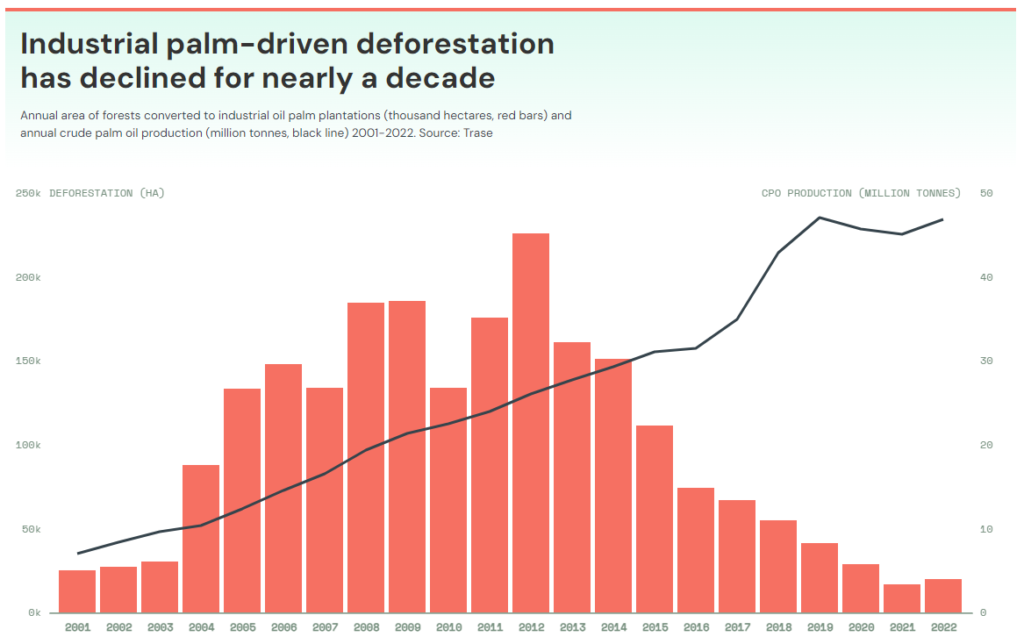
Palm oil is the most efficient vegetable oil crop, producing more oil per hectare than any alternative. However, unsustainable practices have led to deforestation and habitat loss. Sustainable palm oil ensures this valuable crop benefits people and planet.

Major Certification Standards

RSPO (Roundtable on Sustainable Palm Oil)

RSPO is the leading global certification for sustainable palm oil. Established in 2004, RSPO sets comprehensive standards covering environmental protection, social responsibility, and economic viability.

RSPO Principles:

  • No deforestation of primary forests or high conservation value areas
  • Protection of endangered species and biodiversity
  • Fair treatment and wages for workers
  • Respect for land rights of indigenous communities
  • Responsible use of pesticides and fire
  • Continuous improvement in environmental performance

ISPO (Indonesian Sustainable Palm Oil)

ISPO is Indonesia’s national certification system, mandatory for all palm oil companies operating in the country. ISPO standards align with Indonesian law and international best practices.

ISPO Requirements:

  • Legal compliance with Indonesian regulations
  • Environmental management and monitoring
  • Social and community development
  • Continuous improvement systems
  • Traceability and transparency

Sustainable Production Practices

Zero Deforestation Commitment

Leading producers commit to zero deforestation, protecting primary forests and high carbon stock areas. New plantations are developed only on previously cleared land or degraded areas.

Wildlife Conservation

Sustainable plantations establish wildlife corridors, protect riparian zones, and monitor endangered species. Conservation programs help orangutans, tigers, and other wildlife coexist with palm oil production.

Smallholder Support

Certification programs include smallholder farmers through training, technical assistance, and fair pricing. This improves livelihoods while ensuring sustainable practices across the supply chain.

Waste Management and Circular Economy

Modern mills capture methane from palm oil mill effluent (POME) for renewable energy generation. Empty fruit bunches and shells are composted or used as biomass fuel, creating zero-waste operations.

Benefits of Sustainable Palm Oil

For the Environment

  • Reduced greenhouse gas emissions
  • Protected forests and biodiversity
  • Improved water quality and soil health
  • Climate change mitigation

For Communities

  • Fair wages and working conditions
  • Access to education and healthcare
  • Respect for land rights
  • Economic development opportunities

For Businesses

  • Supply chain transparency and traceability
  • Reduced reputational risk
  • Consumer trust and brand value
  • Compliance with regulations and buyer requirements

Traceability and Transparency

Sustainable palm oil requires full traceability from plantation to end product. Modern systems track each batch through the supply chain, providing transparency and accountability.

Traceability Levels:

  • Identity Preserved (IP) – Oil from a single certified source
  • Segregated (SG) – Certified oil kept separate from non-certified
  • Mass Balance (MB) – Certified and non-certified oil mixed with tracking
  • Book & Claim – Financial support for certified production

Consumer Demand for Sustainability

Global consumers increasingly demand sustainable products. Major retailers and food brands have committed to 100% certified sustainable palm oil, creating market opportunities for responsible producers.

The Future of Sustainable Palm Oil

Innovation continues to advance sustainability through precision agriculture, drone monitoring, satellite tracking, and blockchain traceability. These technologies ensure continuous improvement in environmental and social performance.

Partner with Certified Sustainable Producers

CV Indolein Perkasa maintains RSPO and ISPO certifications, ensuring all our palm oil products meet the highest sustainability standards. We provide full traceability and documentation for buyers committed to responsible sourcing.

Contact us to learn more about our sustainable palm oil products and certification credentials.

Uncategorized

RBD Palm Olein: Properties, Uses, and Specifications

RBD Palm Olein (Refined, Bleached, and Deodorized Palm Olein) is the liquid fraction of palm oil and the most widely used cooking oil in tropical countries. This article explores its properties, applications, and quality specifications.

What is RBD Palm Olein?

RBD Palm Olein is produced by fractionating refined palm oil at controlled temperatures. The liquid fraction (olein) separates from the solid fraction (stearin), resulting in a clear, light-colored cooking oil that remains liquid at room temperature in tropical climates.

Physical and Chemical Properties

Appearance and Color

RBD Palm Olein is clear and light yellow to golden in color. The clarity and color are graded as CP6, CP8, or CP10, with lower numbers indicating lighter color and higher quality.

Melting Point

Palm olein has a melting point of 19-24°C (66-75°F), making it suitable for tropical and subtropical climates where it remains liquid for easy pouring and use.

Fatty Acid Composition

RBD Palm Olein contains approximately:

  • Palmitic acid (C16:0): 38-40%
  • Oleic acid (C18:1): 42-44%
  • Linoleic acid (C18:2): 10-12%
  • Stearic acid (C18:0): 4-5%

Nutritional Benefits

Vitamin E Content

Palm olein is naturally rich in tocotrienols and tocopherols (Vitamin E), providing antioxidant benefits. These compounds help protect against oxidative stress and support cardiovascular health.

Balanced Fatty Acid Profile

With approximately 50% saturated and 50% unsaturated fatty acids, palm olein offers a balanced nutritional profile. It is cholesterol-free and trans fat-free.

Beta-Carotene

Palm oil naturally contains beta-carotene (pro-vitamin A), which gives it a characteristic golden color. While some is removed during refining, RBD palm olein retains beneficial carotenoids.

Culinary Applications

Deep Frying

Palm olein’s high oxidative stability makes it ideal for deep frying. It withstands high temperatures (up to 220°C) without breaking down, producing crispy, non-greasy fried foods.

Stir-Frying and Sautéing

The neutral flavor and high smoke point make palm olein perfect for Asian-style stir-frying and general cooking applications.

Baking and Food Manufacturing

Food manufacturers use palm olein in baked goods, snacks, instant noodles, and processed foods due to its stability and functional properties.

Quality Specifications

Standard specifications for RBD Palm Olein CP10:

  • Free Fatty Acid (FFA): Maximum 0.1%
  • Moisture & Impurities: Maximum 0.1%
  • Peroxide Value: Maximum 2.0 meq/kg
  • Iodine Value: 54-56
  • Slip Melting Point: Maximum 24°C
  • Color (Lovibond): 3.0R maximum

Packaging and Storage

RBD Palm Olein is available in various packaging formats:

  • Consumer packs: 250ml to 5L PET bottles
  • Bulk packaging: 10L-25L jerry cans
  • Industrial: Flexitanks, ISO tanks, or bulk tankers

Proper storage in cool, dry conditions away from direct sunlight ensures a shelf life of 18-24 months.

Sustainability and Certification

Responsible palm olein producers maintain RSPO and ISPO certifications, ensuring sustainable sourcing and production practices. These certifications provide traceability from plantation to final product.

Source Premium RBD Palm Olein

CV Indolein Perkasa supplies high-quality RBD Palm Olein in grades CP6, CP8, and CP10 for both retail and industrial applications. Our products meet international quality standards and come with full certification and documentation.

Contact us for specifications, pricing, and samples of premium Indonesian RBD Palm Olein.

Uncategorized

OEM Palm Cooking Oil: Complete Guide for International Buyers

OEM (Original Equipment Manufacturer) palm cooking oil services enable international buyers to launch their own branded cooking oil products without investing in production facilities. This guide explains everything you need to know about OEM palm oil partnerships.

What is OEM Palm Cooking Oil?

OEM palm cooking oil allows you to sell premium cooking oil under your own brand name while an experienced manufacturer handles production, quality control, and packaging. This business model reduces capital investment and accelerates time-to-market.

Benefits of OEM Palm Cooking Oil

Lower Capital Investment

Avoid the significant costs of building and operating a palm oil refinery. OEM partnerships require minimal upfront investment, allowing you to focus resources on marketing and distribution.

Quality Assurance

Partner with established manufacturers who maintain international quality standards including ISO, HACCP, and Halal certifications. Professional OEM producers ensure consistent product quality batch after batch.

Faster Market Entry

Launch your branded cooking oil products in weeks rather than years. OEM manufacturers have existing production capacity, supply chains, and regulatory approvals in place.

Flexible Production Volumes

Start with smaller order quantities and scale up as your market grows. OEM partnerships accommodate both test markets and large-scale distribution.

OEM Service Options

Custom Formulation

Work with experienced technicians to develop cooking oil blends tailored to your target market preferences. Options include different palm oil grades (CP6, CP8, CP10) and fortification with vitamins.

Private Label Packaging

Choose from various packaging formats including PET bottles (250ml-5L), jerry cans (10L-25L), and bulk containers. Custom label design and printing services bring your brand vision to life.

Export Documentation

Professional OEM partners handle all export paperwork including certificates of origin, health certificates, and customs documentation. This ensures smooth international shipping and customs clearance.

Selecting the Right OEM Partner

When evaluating OEM palm cooking oil manufacturers, consider:

  • Production Capacity – Can they meet your volume requirements?
  • Certifications – Do they hold relevant quality and sustainability certifications?
  • Experience – How long have they been serving international markets?
  • Minimum Order Quantities – Are MOQs aligned with your business plan?
  • Lead Times – Can they meet your delivery schedules?

Quality Standards for OEM Palm Cooking Oil

Premium OEM palm cooking oil should meet international specifications:

  • Free Fatty Acid (FFA): Maximum 0.1%
  • Moisture and Impurities: Maximum 0.1%
  • Peroxide Value: Maximum 2.0 meq/kg
  • Iodine Value: 50-55 (typical for palm olein)
  • Color: Light yellow to golden

Pricing and Payment Terms

OEM palm cooking oil pricing depends on oil grade, packaging specifications, order volume, and current commodity prices. Most manufacturers offer flexible payment terms including LC (Letter of Credit), T/T (Telegraphic Transfer), and CAD (Cash Against Documents).

Start Your OEM Palm Cooking Oil Business

CV Indolein Perkasa specializes in OEM and private label palm cooking oil for international markets. With over 20 years of experience, modern production facilities, and comprehensive export services, we help you build successful cooking oil brands.

Request a quote today and discover how easy it is to launch your own palm cooking oil brand with a trusted Indonesian OEM partner.

Uncategorized

The Complete Guide to Palm Oil Production in Indonesia

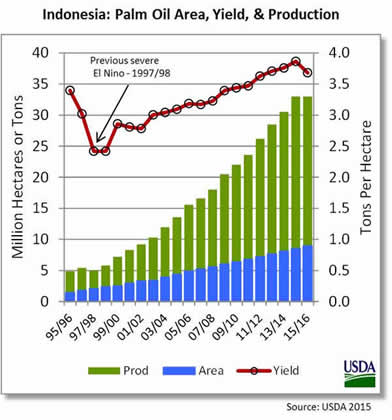
Indonesia is the world’s largest producer of palm oil, accounting for over 58% of global production. This comprehensive guide explores the palm oil production process, from plantation to processing, and why Indonesia leads the industry.

Why Indonesia Dominates Palm Oil Production

Indonesia’s tropical climate, rich volcanic soil, and extensive agricultural infrastructure make it the ideal location for palm oil cultivation. The country has over 16 million hectares dedicated to oil palm plantations, supporting millions of smallholder farmers and large-scale operations.

The Palm Oil Production Process

1. Plantation and Cultivation

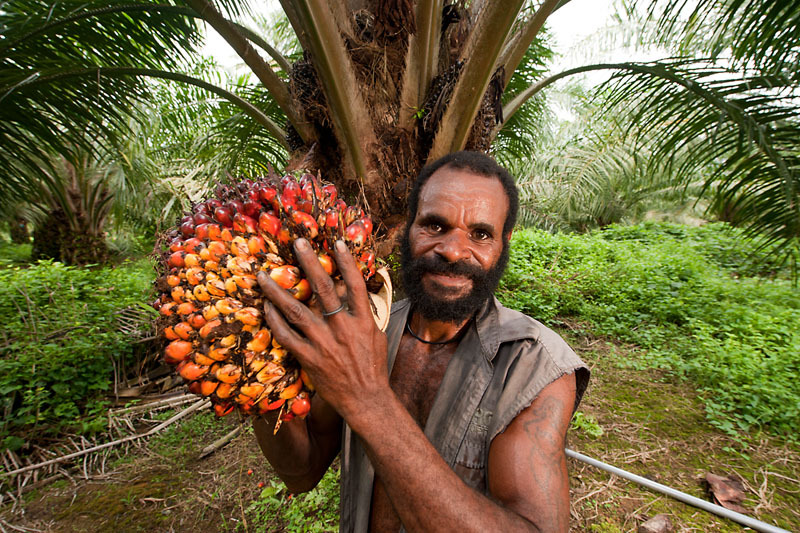
Oil palm trees (Elaeis guineensis) thrive in Indonesia’s equatorial climate. Trees begin producing fruit 30 months after planting and remain productive for 25-30 years. Fresh fruit bunches (FFB) are harvested every 10-14 days when optimally ripe.

2. Harvesting and Transportation

Skilled harvesters use specialized tools to cut fruit bunches from trees reaching up to 12 meters high. Fresh fruit bunches must be processed within 24 hours of harvesting to maintain oil quality and prevent free fatty acid formation.

3. Mill Processing

At the palm oil mill, FFBs undergo sterilization, stripping, digestion, and pressing. This process extracts crude palm oil (CPO) and palm kernel oil (PKO), with typical extraction rates of 20-22% for CPO.

4. Refining and Fractionation

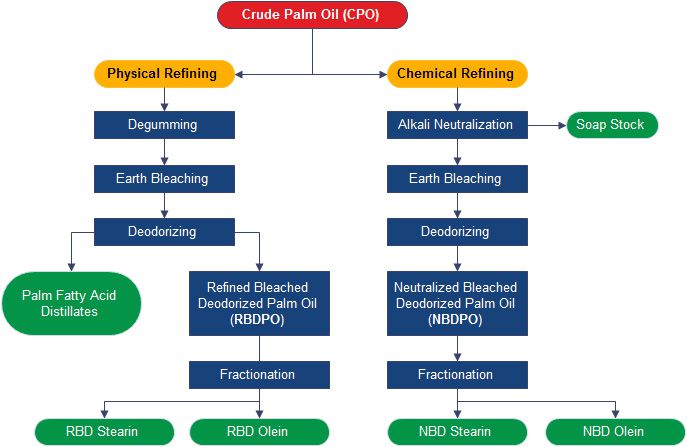
Crude palm oil is refined through degumming, bleaching, and deodorization to produce refined, bleached, and deodorized (RBD) palm oil. Fractionation separates palm oil into olein (liquid) and stearin (solid) fractions for different applications.

Quality Standards and Certifications

Indonesian palm oil producers adhere to strict quality standards including:

  • RSPO Certification – Roundtable on Sustainable Palm Oil
  • ISPO Standards – Indonesian Sustainable Palm Oil
  • ISO 9001 – Quality Management Systems
  • HACCP – Food Safety Standards

Economic Impact

The palm oil industry contributes significantly to Indonesia’s economy, generating over $20 billion in annual export revenue and providing livelihoods for more than 16 million people. The sector supports rural development and poverty reduction across the archipelago.

Sustainability Initiatives

Modern Indonesian palm oil producers are committed to sustainable practices including zero-deforestation policies, wildlife conservation, and community development programs. These initiatives ensure long-term environmental and social responsibility.

Partner with Indonesian Palm Oil Producers

CV Indolein Perkasa offers direct access to premium Indonesian palm oil with full traceability, quality assurance, and sustainable sourcing. Our OEM and private label services help international buyers bring high-quality palm cooking oil products to their markets.

Contact us today to discuss your palm oil sourcing requirements and discover the advantages of partnering with Indonesia’s leading palm oil processors.

Scroll to Top